An elderly white woman in Washington is being called racist after she was shown owning controversial black memorabilia and slave certificates.
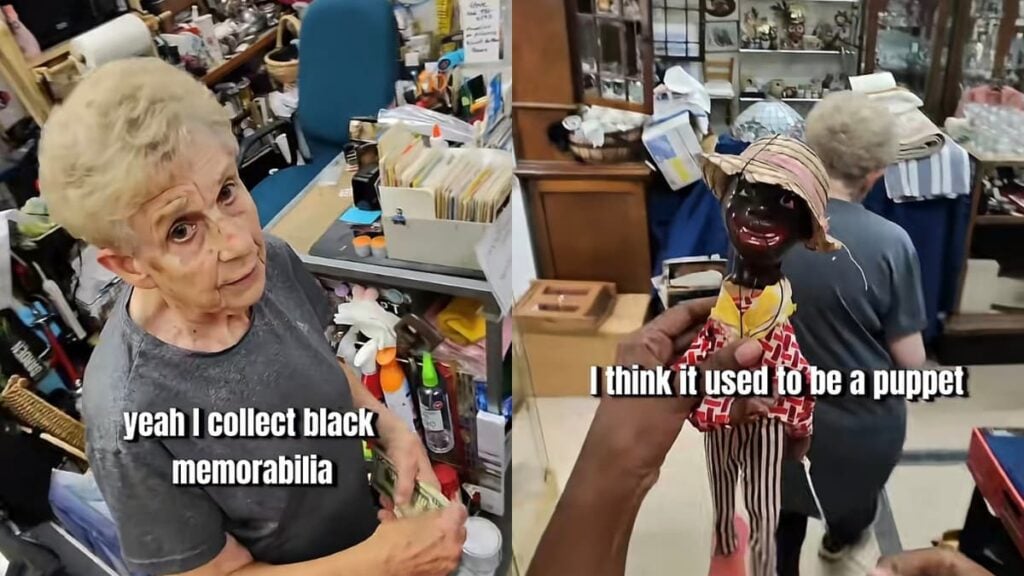
A black content creator on TikTok shared a video of herself heading to the West Seattle Antique Mall after hearing that “a little racist minstrel doll” was being sold there. Once she arrived at the elderly woman’s shop, she managed to find the controversial doll.
The doll owned by the elderly woman is widely recognized as a racist caricature because its design draws on exaggerated and dehumanizing imagery associated with 19th- and 20th-century minstrelsy and “golliwog” representations. Featuring jet-black skin, oversized bright red lips and exaggerated facial features, these aesthetics were historically used to mock black people, reinforce racial stereotypes, and portray them as crude caricatures.
Originating during periods of segregation and racial oppression, items of this kind were used in everyday commercial products and toys, helping normalize anti-black stereotypes and racial mockery. Today, museum curators, historians and scholars often categorize such objects as racist memorabilia or offensive caricatures because of their historical connection to anti-black prejudice and the perpetuation of harmful racial stereotypes.
What Happened Next
As the content creator held the doll in her hands, the elderly woman admitted that she had collected “black memorabilia” throughout her life. She explained that, as a child, she never wanted white dolls because she had brown eyes while the dolls had blue eyes.
The woman then admitted that she could not keep the doll in the store. “We have so many people that collect black memorabilia,” she said, adding that her collection is “amazing.” She then made another statement that contributed to the outrage online, admitting that she also owned slave certificates.
The woman was quickly accused of being racist, with viewers pointing to her comments about her collection and past experiences. It did not help that she said she had gone to the Coon Chicken Inn with her family. She described how the establishment’s entrance was designed as the mouth of a black person. “I used to always love to go there because it was so magical,” she said.
The Coon Chicken Inn is widely regarded as a racist establishment because its commercial identity relied heavily on the mockery and dehumanization of black people during the Jim Crow era. Its name used a racial slur, while its 12-foot entrance was designed as an exaggerated caricature with large, open jaws. The business also used minstrel-style imagery throughout its merchandise and branding, reinforcing racist stereotypes and reflecting the racial discrimination of the period.
After hearing the elderly woman describe the inn, the black content creator repeated in disbelief that the woman had considered it “magical.” The elderly woman then explained that there was a lot of singing at the establishment. The content creator ended the video while holding the doll and asking viewers what she should do with it.
Viewers Slam Elderly Washington Woman Over Ownership of Black Memorabilia
The video sparked reactions online. Many viewers criticized the elderly white Washington woman over her ownership of racist dolls and other controversial items, with some quickly labeling her a racist. “Her lack of shame disturbs me. The certificates of peoples family members… where is her humanity?? It doesn’t shock me sadly but its still so disturbing,” one person wrote. Another person questioned the presence of the documents, saying, “SLAVE CERTIFICATES???! Excuseee me???? Why [expletive] does she have them and more important why would she be selling them???”
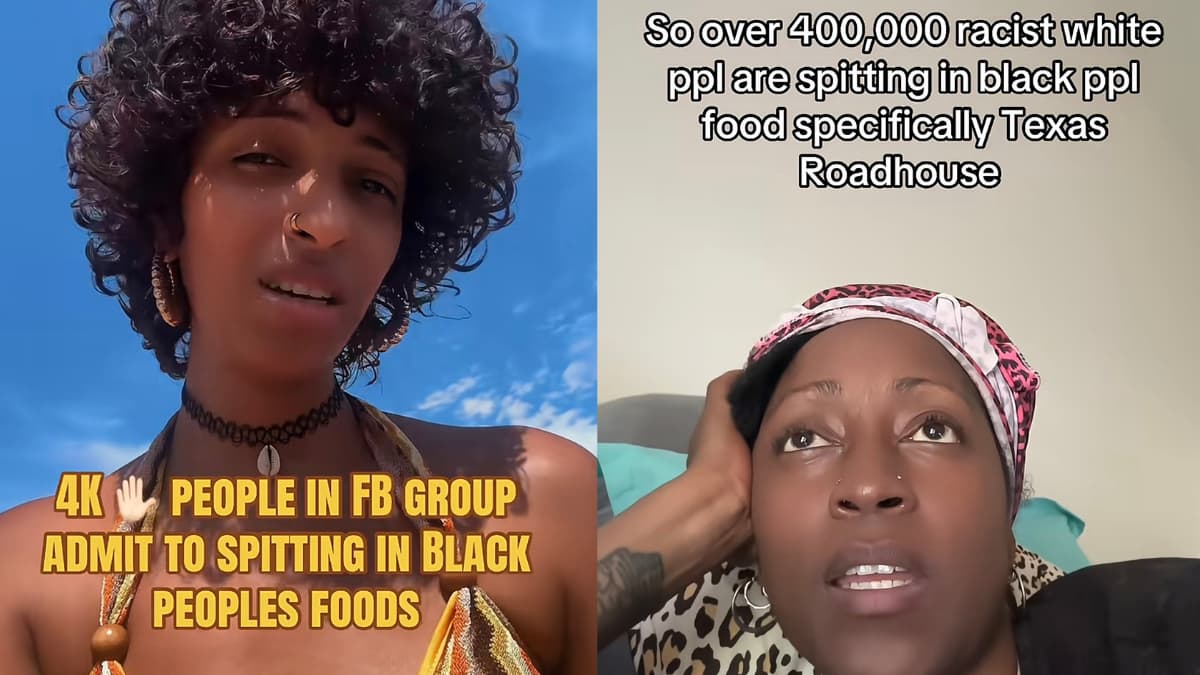
Others viewed the situation differently, with some saying they were unsure whether the woman should be considered racist based solely on the video. “I can’t tell if she’s racist or not,” one person wrote. Another responded, “she is. She find black struggle to be a collectible, a show.” Someone else argued, “she doesn’t come off as racist. More like oddly fascinated.”
The footage prompted discussion about how white people owning black memorabilia and documents connected to slavery can be perceived as racially insensitive or even racist. It also raised a broader question about whether collecting such items can serve as a way of preserving difficult history or whether displaying them risks turning the suffering of black people into collectibles.