Michigan drivers are raising concerns over a proposed new way of paying for the state’s roads, with officials preparing to test a system that could eventually charge motorists based on how many miles they drive. The six-month pilot is expected to begin in 2027, but the idea is already worrying some residents, particularly those who rack up significant mileage for work, school and other everyday journeys.
According to MLive, the Michigan Department of Transportation (MDOT) plans to launch the six-month pilot in February 2027, involving around 1,000 volunteer drivers from across the state. The program will explore whether a road usage charge based on miles driven could provide a more sustainable way to fund Michigan’s roads as increasingly fuel-efficient and electric vehicles reduce the revenue generated through traditional gas taxes.
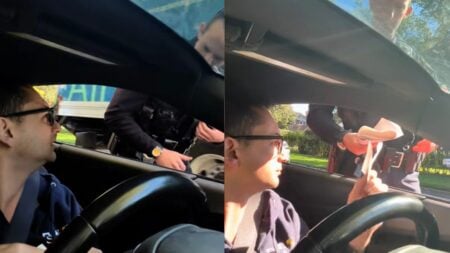
For some Michigan drivers, however, the prospect of paying based on mileage is already raising concerns about how much it could cost them. Mid-Michigan resident Aaron Wesener told WNEM that he puts a lot of miles on his vehicle each week, explaining: “Ah it’s going to kill me. I put on a lot of miles. I work up in Bay City. Drive here, my kids go to school in Bay City and here. So, I put on a lot of miles every week.”
Despite those concerns, Michigan has not approved a pay-per-mile charge for drivers. The upcoming program is only a voluntary pilot designed to determine whether such a system could work in the state, and MDOT says any permanent change would require new legislation and further public input.
Exactly how Michigan would keep track of those miles is also still being worked out. Options being considered include drivers reporting their odometer readings, using technology already built into vehicles, installing a plug-in device, or tracking mileage through a smartphone app. The pilot will also examine issues surrounding data accuracy, security and privacy before any wider system is considered.
Michigan Drivers Push Back Over Pay-Per-Mile Proposal
The proposal quickly drew attention on Reddit, where some Michigan residents questioned why the state needs to rethink how drivers pay for roads in the first place. “How do other states with better roads finance their roads? I’m wondering bc Michigans already seems to have high gas taxes,” one commenter asked.
Others were much more direct about the prospect of another potential charge. “It’s like they found one way we weren’t getting absolutely [expletive] and took it as a personal affront,” one person joked. Another added, “Why not, it’s not like we don’t already pay some of the highest gas tax, registration, and insurance fees in the country. What’s 1 more thing?”
The possible methods for reporting mileage also raised privacy concerns. “Another [expletive] tax. Odometer reporting, did you guys see that?” one commenter wrote, before also raising concerns about vehicle subscriptions and Flock cameras.
Not everyone viewed the concept quite the same way, however. One commenter pointed out that drivers already effectively pay more when they drive more under the existing system, writing, “Gas tax is a pay per mile scheme as far as I’m concerned.”
Ultimately, the pilot will give Michigan officials a chance to see whether a pay-per-mile system could provide a workable alternative to the gas tax before any permanent changes are considered. For drivers already concerned about the cost of getting around, however, the early reaction shows the state may have just as much work to do convincing residents that a new funding model won’t simply leave them paying more.