Angela Paxton has broken her silence around one of Texas’ most uncomfortable political dramas, and some Texans online are furious about what she had to say.
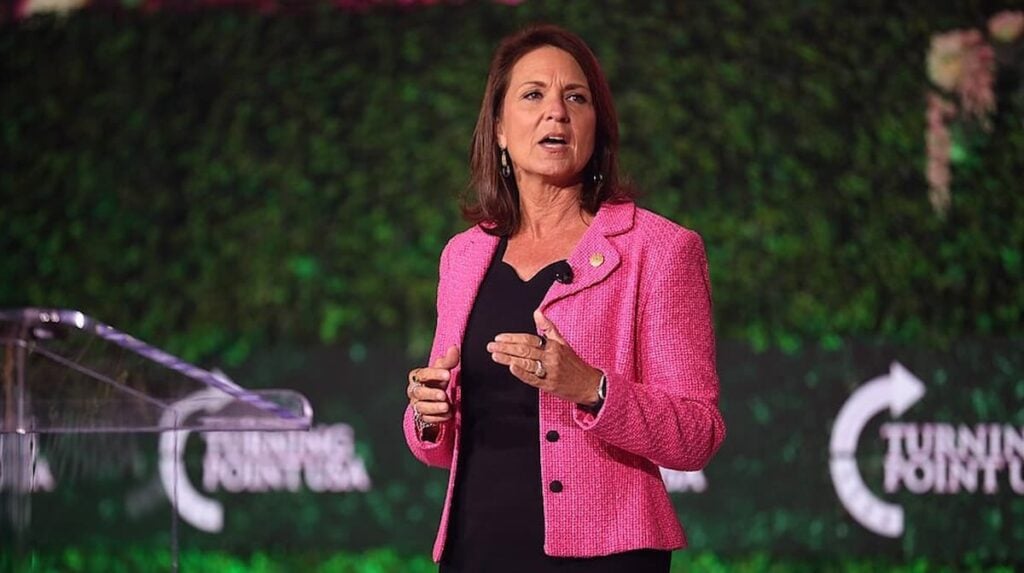
The Republican state senator urged conservative women at a meeting in Round Rock to keep voting for GOP candidates even when they are unhappy with the person carrying the party banner.
Paxton, who filed for divorce from Texas Attorney General Ken Paxton in 2025 citing adultery, told members of the Texas Federation of Republican Women that control of the office mattered more than any individual candidate.
“It’s not the people, it’s the seat,” she said, arguing Republicans retain more influence over the future when the seat remains under party control.
That message carries extraordinary baggage. Ken Paxton defeated John Cornyn in the Republican Senate primary and is now facing Democrat James Talarico in a competitive general election. Recent polling tracked by The Texas Tribune shows Talarico ahead, though the margins have remained tight.
Angela Paxton did not name her estranged husband during the speech, according to attendees. But for critics reacting in the Texas subreddit where the story was shared, the implication was difficult to ignore.
Texans Question Whether This Is About Principle Or Power
One North Texas commenter seized directly on Paxton’s argument about controlling the seat.
“Power is what it is all about. Power is all that they care about,” the commenter wrote.
Others accused Angela Paxton of putting party loyalty ahead of Texans. One simply wrote: “She’s not working for Texans.” Another described her motivation as “greed and self-interest,” while several commenters speculated, without providing evidence, that financial considerations surrounding her divorce could explain her willingness to encourage Republican support.
Those claims remain speculation. Nothing in the Tribune report establishes that Angela Paxton was paid, promised money, or motivated by a divorce settlement.
But the intensity of the reaction shows why her speech has landed so awkwardly with critics. Angela Paxton herself acknowledged what one attendee described as a “moral dilemma” for Republican women. Her answer was essentially that party control survives individual politicians, and losing a seat creates consequences larger than dissatisfaction with one candidate.

For angry commenters, that was precisely the problem. Rather than resolving the contradiction between personal conduct and political loyalty, Paxton’s remarks exposed it. Her argument was that voters should think beyond the candidate.
Her critics heard something much harsher: keep the party in power, whatever you think of the person asking for your vote.