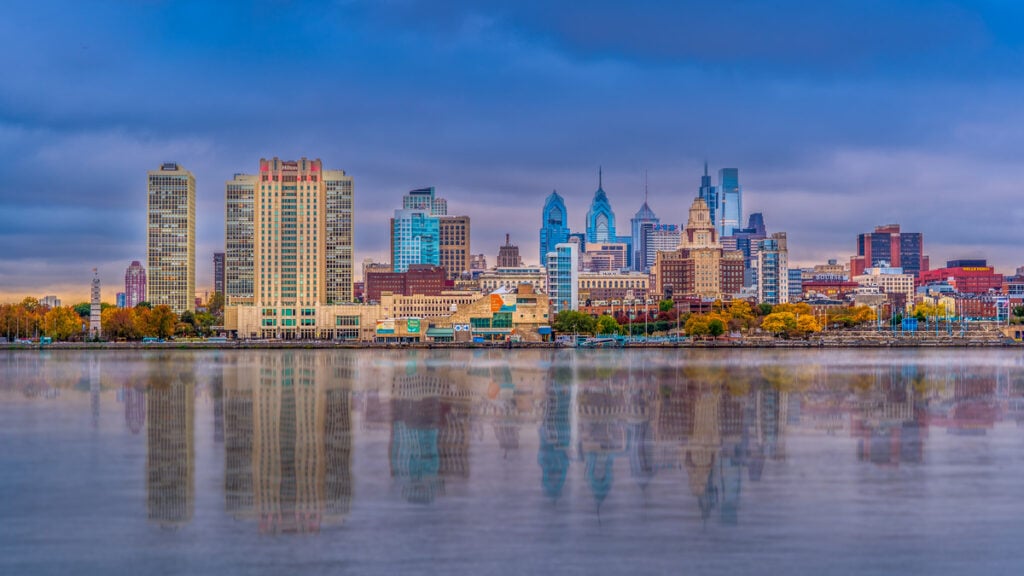
The fate of the President’s House Site: Freedom and Slavery in the Making of a New Nation, located in Philadelphia, Pennsylvania, awaits a verdict yet again. The historic site, which officially opened to the public in December 2010, is proving to be a source of hot debate and contention within the online Reddit and X world, as users discuss their apprehension over the Trump administration’s push to alter historical records through the executive order “Restoring Truth and Sanity to American History.”
Recently, people have taken to Reddit to voice growing concern over the current administration’s attempt to remove a historic Philadelphia exhibit built to honor the nine enslaved people owned by America’s first president, George Washington. Many users have stated that such a removal instigates a fascist, authoritarian scheme set on erasing important cultural archives.
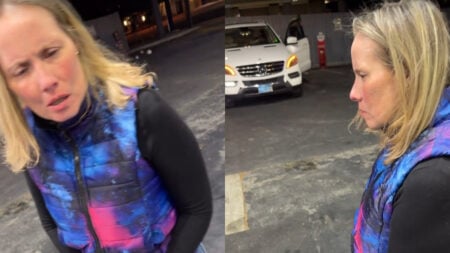
Aside from online outrage, locals have taken it upon themselves to show their support by taping commentary onto portions of the exhibit that have been forcibly removed. One woman, Karen Oliver, did not hold back in expressing how heartbroken she was about the takedown. She said, “You show all of it. The good, the bad, the ugly.”
The Commonwealth of Pennsylvania reports that Governor Josh Shapiro has even taken a legal stand in defense of the exhibit, and that several other state and local representatives have also voiced their objections.
According to Whyy News, Judge Thomas Hardiman begged the question, “If you’re going to have a site designated as an Underground Railroad site, how could it possibly comply with federal law if it had no mention of slavery?”
While Governor Shapiro has since declared, “In Pennsylvania, we learn from our history, even when it’s painful. We don’t erase it or pretend it didn’t happen. Because when we know where we’ve been, we can chart a better course for the future. Those displays aren’t just signs — they represent our shared history, and if we want to move forward as a nation, we have to be willing to tell the full story of where we came from.”
Whether the exhibit ultimately remains intact or undergoes further alteration, the public response demonstrates that questions of slavery, memory, and historical accountability continue to remain deeply relevant. For many, the controversy is no longer just about a collection of signs and displays, but about preserving the stories of America’s past.