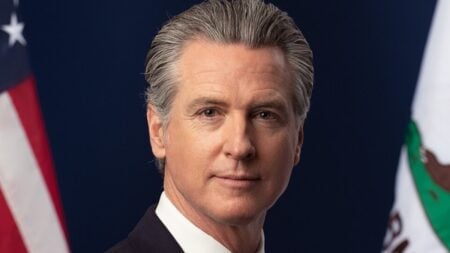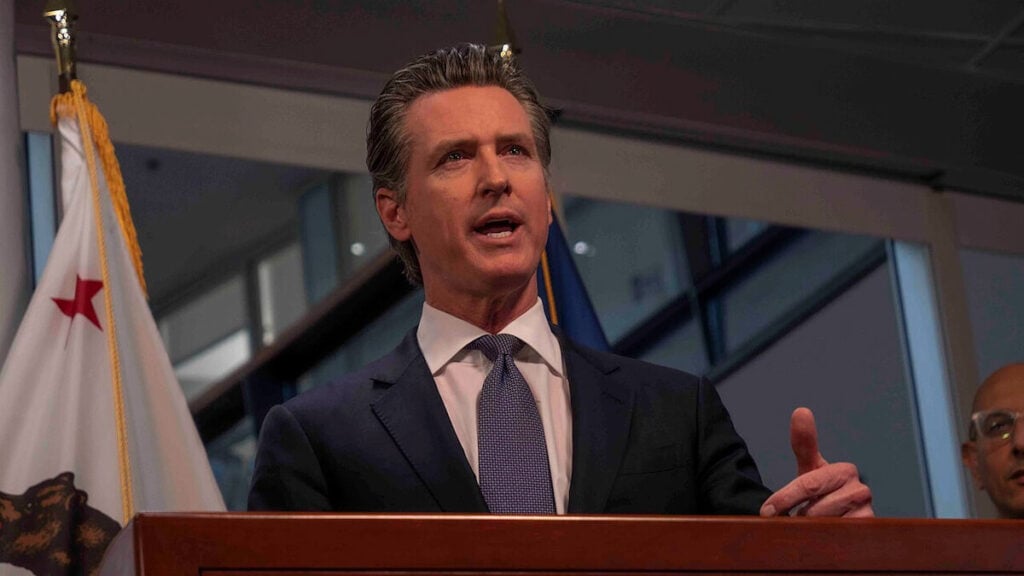
California Secretary of State Shirley Weber confirmed Wednesday that a billionaire wealth tax qualified for the November ballot. The measure has split prominent Democrats and united Gov. Gavin Newsom with some of the state’s wealthiest tech figures.
The proposal would impose a one-time 5% tax on residents worth more than $1 billion. It would apply retroactively to Californians who lived in the state on Jan. 1, 2026.
Most revenue would support healthcare programs through state-administered funds. The Legislative Analyst’s Office estimated the measure could generate tens of billions of dollars.
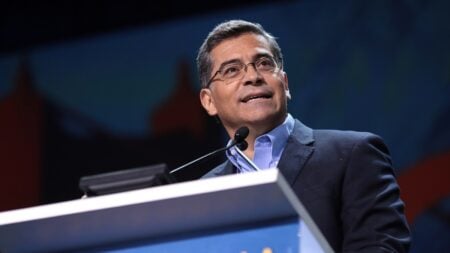
Newsom and Democratic gubernatorial candidate Xavier Becerra oppose the initiative. Google co-founder Sergey Brin and other tech leaders have spent more than $90 million fighting it.
Supporters include Sen. Bernie Sanders and Rep. Ro Khanna, D-Calif. Service Employees International Union-United Healthcare Workers West sponsored the proposal.
Separate efforts to block or weaken the measure are also underway. None has yet qualified for the November ballot.
California Wealth Tax Debate Sparks Questions Over Healthcare and Union Influence
The measure also fueled debate over the groups backing and opposing the proposal.
Some users pointed to resistance from healthcare organizations. One user wrote, “You know you’ve done something wrong when you got doctors against you.” Another response added, “When most of the money is earmarked for healthcare and you still have doctors against you.”
Others questioned the role of organized labor. One person wrote, “Looks like it was sponsored by a healthcare union.” A separate user argued, “Vote how you like but this is set up to benefit a specific union and not to benefit the public more generally.”
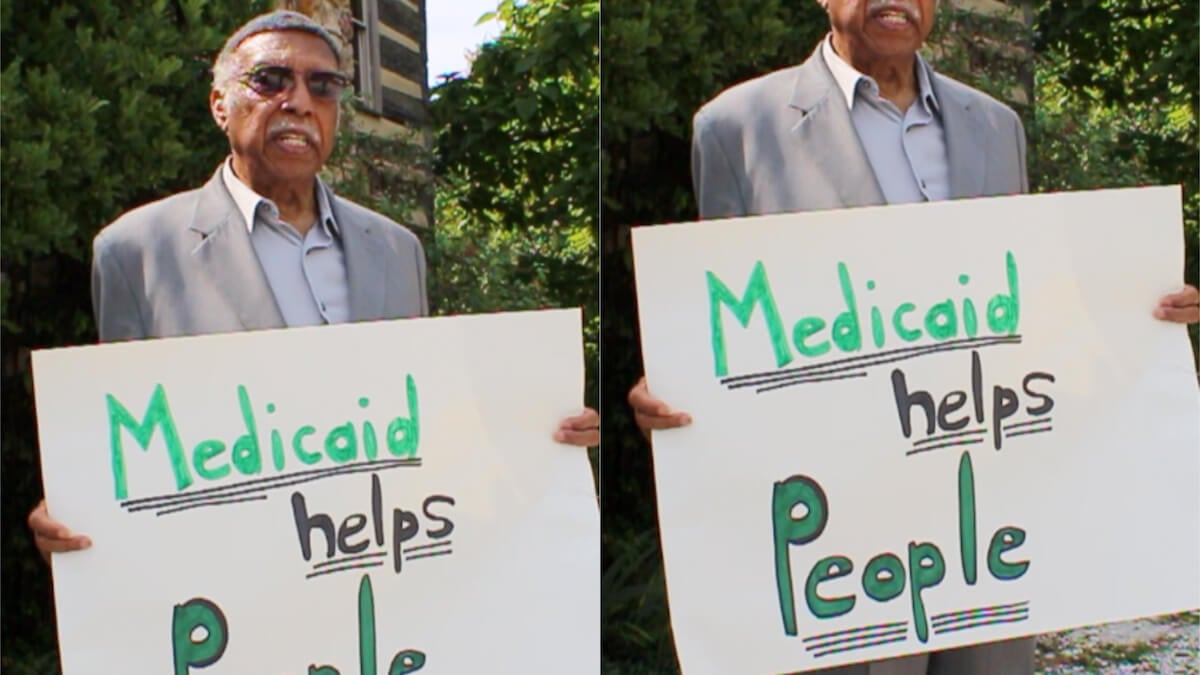
Not everyone accepted those criticisms. One response pushed back, writing, “Nope. It’s for healthcare, not just pensions. And with more money for healthcare, the state can spend its other revenue on everything else. Do not trust the billionaires.” Another user wrote, “Totally OK with it being used for healthcare and education.”
Debate over healthcare funding, union influence and the design of the one-time tax is likely to continue ahead of the November vote.