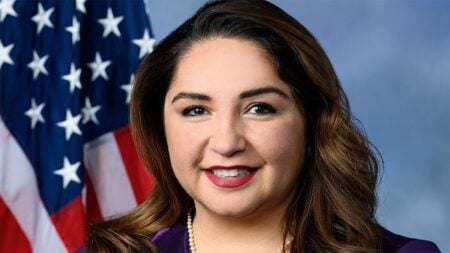
Texas Rep. Gina Hinojosa proposed sending every household a $1,500 check if elected governor, making the plan the centerpiece of her first major economic platform. She said affordability had reached an emergency level, adding, “People are struggling. People need help. It’s an emergency situation.” Hinojosa is challenging Gov. Greg Abbott in the November election.
Hinojosa said she would declare affordability an emergency on her first day in office. She said she would ask lawmakers to withdraw $17 billion from the state’s nearly $27 billion rainy day fund to finance the payments.
The Austin Democrat said every Texas household would receive a check if the Legislature approved the proposal. She unveiled the plan in Houston during a three-city cost-of-living tour and branded the payments as “Corruption Tax Refund” checks. Hinojosa said, “Texans know how to spend money better than the government. That’s our money. It’s there. It should go to Texans.”
Abbott’s campaign did not respond to a request for comment. Accessing the rainy day fund would require support from two-thirds of lawmakers in both legislative chambers. The fund has previously been used for water infrastructure, disaster relief and public education.
Public Reaction to Gina Hinojosa’s $1,500 Household Check Proposal
Hinojosa’s proposal prompted debate online over whether the state’s rainy day fund should finance direct payments or longer-term public programs. Many users also questioned whether the plan offered affordability relief or amounted to campaign politics.
Several users criticized the proposal. One wrote, “Trying to buy votes? How Democrat Party of her.” Another added, “So gross to buy votes. I lost a lot of respect for her with this move.” A separate response stated, “Lowering property taxes would be a better use of the money.” Another user wrote, “Just tax me less and do something to address rising costs.”
Others defended the proposal. One user wrote, “It’s a great campaign move.” Another added, “Actually, for me it would be life changing. Not by a lot, but it would change the direction and ease a burden with a positive domino effect.”
Whether lawmakers will advance the proposal remains uncertain as the gubernatorial campaign continues.