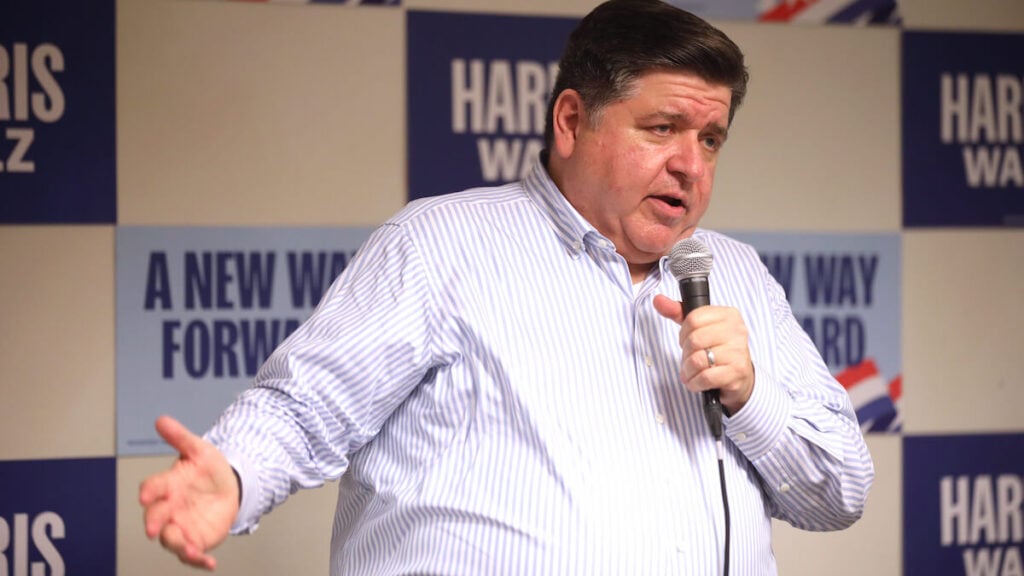
Illinois Gov. JB Pritzker drew criticism after defending the state’s sanctuary policies as an expression of Illinoisans’ values. In a video shared on X, he said Illinois never intended to become a sanctuary but embraced that role. Critics questioned whether residents had agreed to that direction and challenged his claim to speak for them.
In the video, Pritzker highlighted support for reproductive and maternal health, LGBTQ+ communities, and immigrant rights. He also pointed to people who depend on SNAP and Medicaid. He argued that access to care and dignity can depend on leaders taking action when needed.
“We never intended to make Illinois the sanctuary in the country,” he said. He added that the state should not have needed to take that role. Nevertheless, he defended the decision as part of the state’s identity, declaring, “that is who we are as Illinoisans.”
Illinois Critics Challenge Pritzker Over Sanctuary Policies
The governor’s remarks prompted objections over political accountability, taxpayer priorities, and the state’s approach to sanctuary policies.
One critic blamed Pritzker for the state’s direction, writing, “You ruined a once great state singlehanded.” Another challenged his claim to represent residents, stating, “Please do not speak for me. You are a Governor, not a King.”
The discussion also turned to the concerns of taxpayers. One response argued, “It is a sanctuary to everyone except hardworking, taxpaying citizens that want to live an affordable safe life in the home they have lived for generations.”
A separate commenter questioned the policies’ legal basis, asking, “I just don’t get how you justify breaking federal law. Did someone give you power over the federal government?”
However, another response called for expanding the state’s sanctuary approach, stating, “Yeah, but we gotta do more to make it more of a sanctuary state. we’re bound to see climate refugees from Florida or other parts of the US.”
For now, Pritzker remains firm in his support for Illinois’ sanctuary policies, even as the debate over immigration enforcement continues to divide opinion across the state.