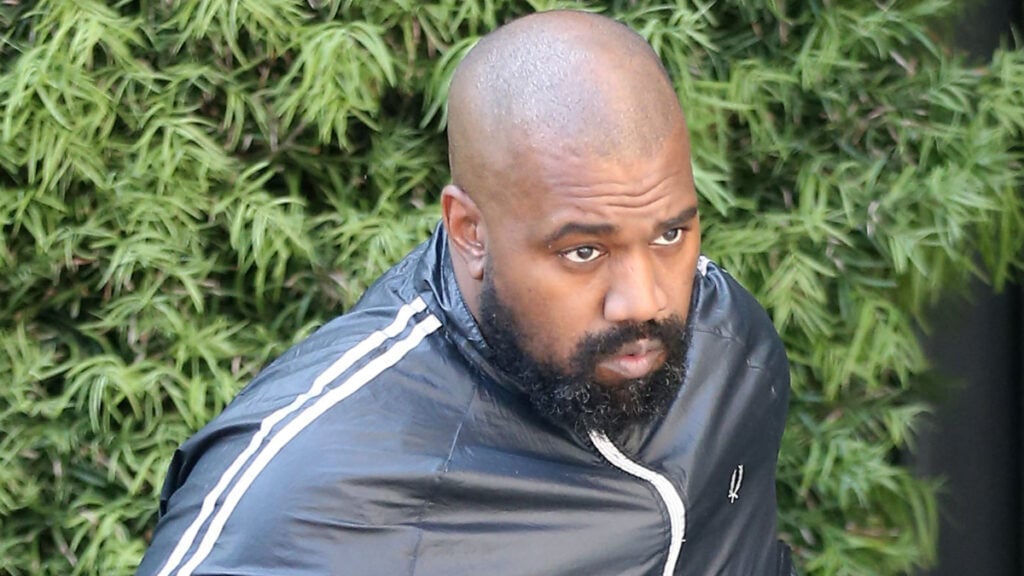
Kanye West has publicly apologized for his antisemitic outbursts, explaining that his bipolar disorder fueled them. In a page-long Wall Street Journal ad, the rapper detailed how a 2002 car accident triggered mental health struggles that eventually led to destructive behavior. Now, he is seeking accountability and forgiveness.
Kanye West’s Bipolar Struggles and Mental Health Journey
West revealed that a car accident in 2002 caused injury to his frontal lobe, an issue that went undiagnosed for decades. He said this oversight contributed to his bipolar type-1 diagnosis.
He described how mania made him detached from reality, convinced he had insight while actually losing control. This detachment led him to make antisemitic statements, embrace offensive symbols, and behave recklessly.
“I lost touch with reality. Things got worse the longer I ignored the problem. I said and did things I deeply regret.”
The rapper emphasized that his illness doesn’t excuse his actions but helped explain them. He reflected on how mania distorted his judgment and contributed to the pain he caused loved ones and the wider public. He also shared the impact of prolonged untreated mental illness, which left him isolated and struggling to navigate the consequences of his behavior.
Seeking Forgiveness and Rebuilding Trust
West credited his wife, Bianca Censori, with helping him seek help after hitting rock bottom. Through therapy, medication, and lifestyle changes, he has regained clarity and a renewed sense of purpose.
He stressed that he is not antisemitic and expressed love for the Jewish community, while also acknowledging the harm his words and actions caused.
Looking forward, West is committed to rebuilding trust, contributing positively through his art, and maintaining accountability for his mental health and public influence. He urged patience as he works to restore his relationships and find stability, admitting that his journey toward healing is ongoing.
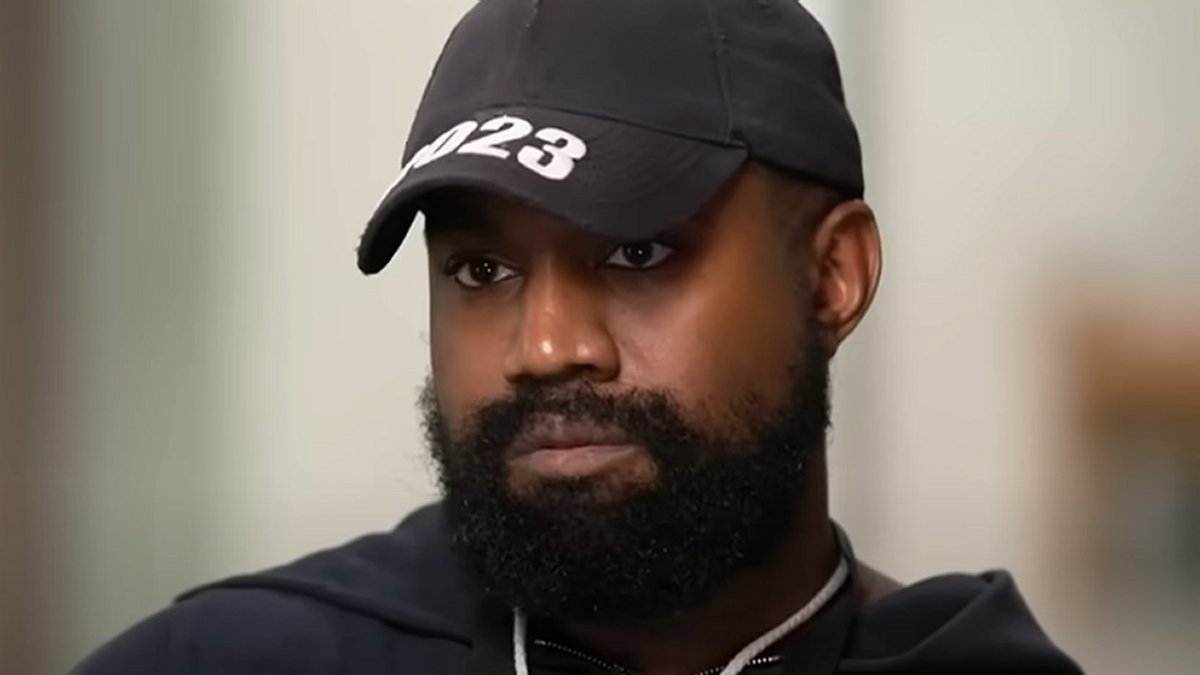
The WSJ ad, paid for by Yeezy, marks a step in West’s attempt to confront his past, regain perspective, and prevent further harm, framing his apology as both personal and public.