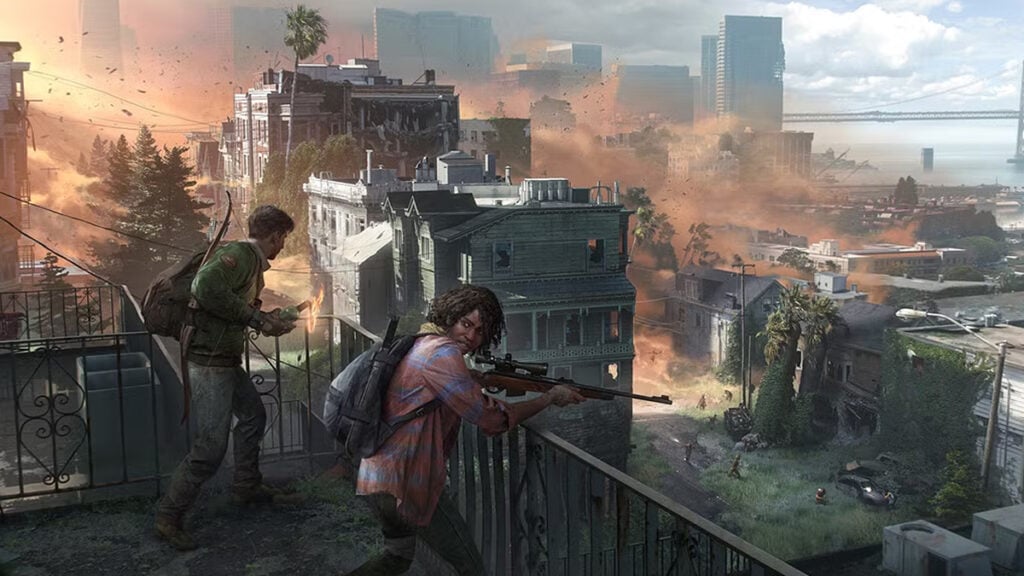
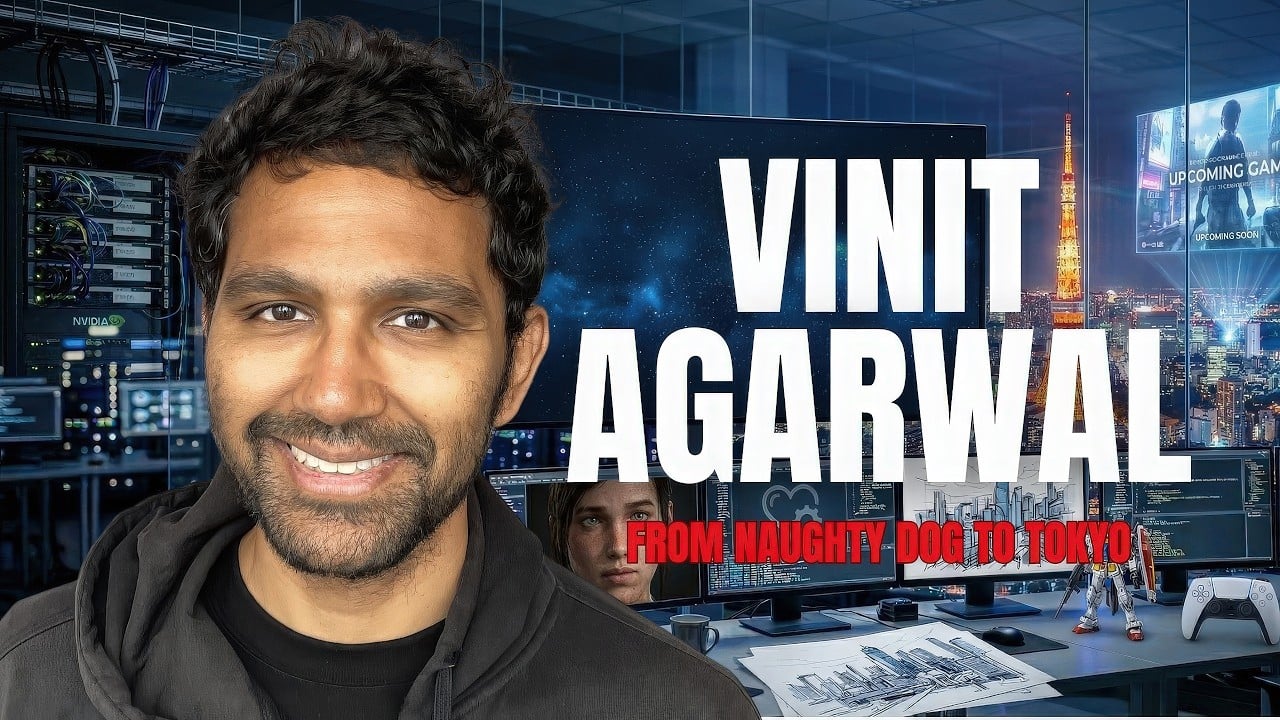
The idea of a standalone Factions 2 game mode, a slower, tactical survival shooter with Naughty Dog production values, is the kind of pitch that basically sells itself. Everyone who played it knows that The Last of Us Online spin-off would be a great idea. But as we all know, the game didn’t make the cut. Doesn’t help that Concord‘s massive flop and waves of Sony crushing its internal studios make the project’s shutdown sting even more. Speaking on the Lance E. Lee Podcast from Tokyo, former project director Vinit Agarwal revealed the harsh truth behind why TLOU Online was canceled.
According to Agarwal, TLOU Online was supposedly already around ’80 percent’ complete before Sony ultimately pulled the plug. Even worse, he revealed he only learned about the decision 24 hours before it was publicly announced. He called the moment ‘soul-crushing’ after spending seven years working on the game.
“That was a devastating moment for me because I spent seven years working on that game and it was soul-crushing. I remember honestly finding out that it was getting canceled 24 hours before it was announced to the public. That’s how I found out about the game getting canceled and it was just unfortunate and they had to do that because they have to control the messaging.”
Agarwal also pointed out that the original push for online-based spin-offs came during the COVID-era boom, when multiplayer games exploded in popularity. But as that wave cooled, so did Sony’s appetite for live-service games.
Sony then reportedly ran into a hard choice and was forced to choose a side: continue development of TLOU Online or pivot resources toward the next Neil Druckmann-led project. Predictably, the safer bet won. From a business standpoint, sure, it’s understandable; it’s The Last of Us 2. It’s going to make a load of money. Still, scrapping a game that’s 80 percent done after seven years is the kind of decision that makes Sony’s live-service strategy look painfully reactionary in the first place.
He also added that Naughty Dog typically operated on a ‘leapfrog’ development workflow, where the studio would work on two projects at once. Once the first game shipped, the team would shift over to the second. The approach, he said, helped avoid layoffs and keep talent together, rather than scaling up and cutting staff after every launch.
That means, TLOU Online wasn’t just some experimental side project to satisfy Sony’s craving for live-service hunger. It was planned to be a part of a broader pipeline to sustain the studio long-term from the get-go.
Now Agarwal has since moved to Japan and formed a new studio, ready to start fresh as we covered last year. He teased that he and his team are now working on a ‘gritty anime-styled’ project with a development process that is much different from what he used to.
“[…] So the game that I’m making, it’s informed by Japanese anime. So the style of the game is done in a ’90s-style anime. So it’s still gritty and mature, but it’s stylized. And when you make games, you make them with a whole group of people, and everyone’s got a say in the process,” explained Agarwal excited. “And Japanese game development is very different. […] There’s a purity you get when you get that directorial style.”
For more details on the interview, watch the video above starting around 47:42, at the ‘Losing a 7-Year Project’ part.