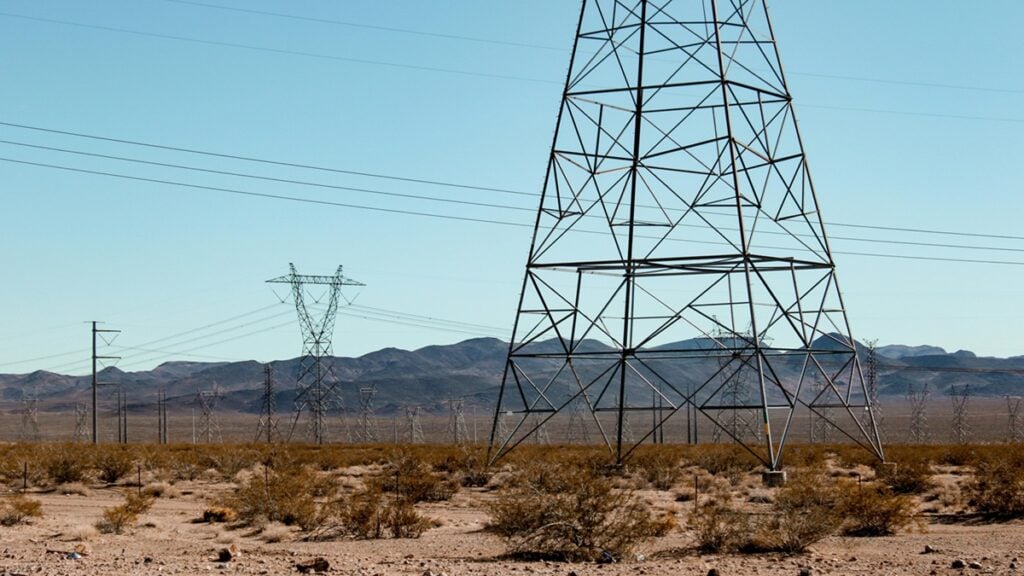
As data centers continue to pop up across the United States, Wyoming residents are growing concerned about the state’s limited capacity to meet rising energy demand. With more data center projects planned for Wyoming, the general feeling about the future is uncertainty.
Newdata indicates that, unlike most other states, Wyoming has no energy demand-response capacity, leaving it unprepared for surges in electricity use. Wyoming is a small state with just over half a million residents, so this would not normally be a major issue. However, plans for additional data centers in the region could change that.
For example, Microsoft intends to triple its data center footprint in the state after acquiring land near Cheyenne. Cool weather and good energy prices could spark more demand for electricity in the future.
Wyoming Residents Worry About Data Centers
Wyoming residents did not react well to the news on Reddit’s r/Wyoming, with many expressing concern about how the state would handle a rapid increase in energy demand driven by data center construction. “Welp, guess we can’t have any AI data centers. What a shame,” one user said jokingly.
Another user also took a jab at the data center using sarcasm: “Interesting to see, but it seems like a very niche thing to gauge states by. I don’t think Wyoming is at any risk of massive power demand surges,” one resident said, before adding, “data centers will kill us all.”

Not everyone was entirely concerned, however. As one user put it, “Wyoming’s grid might struggle with massive data centers, but at least we won’t have to deal with the cooling costs that places like Arizona are facing. Plus, the wind here could probably power half those AI operations if they actually invested in infrastructure instead of just complaining about demand.” The comment sparked a broader discussion about how well accepted wind power is in the state, with multiple users pointing out that some residents remain resistant to it.
State leaders will likely need to address these concerns to ensure the power grid can support future demand as new businesses move into the area.