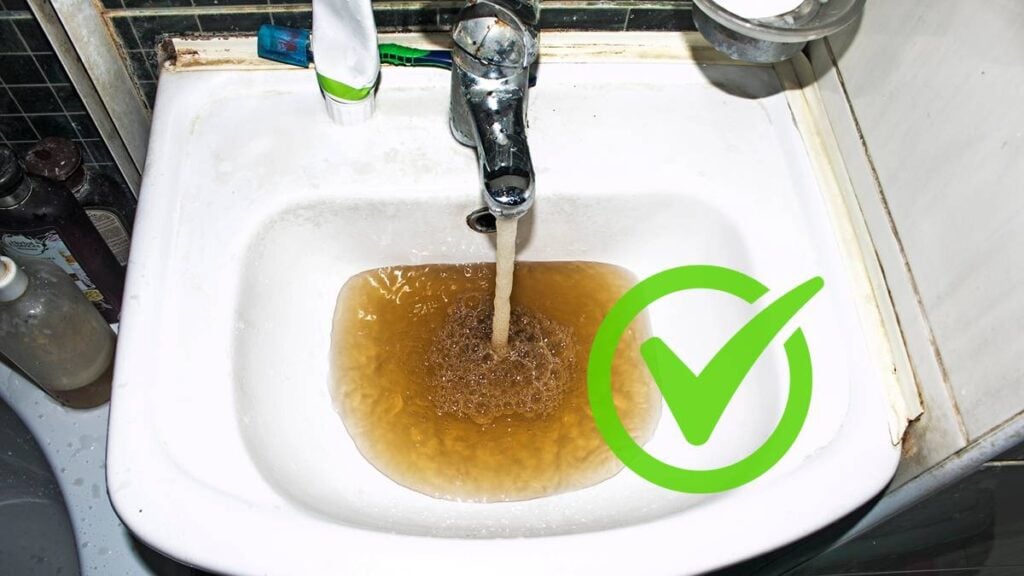
A federal appeals court ruling involving contaminated drinking water in Jackson, Mississippi, has sparked outrage online after judges said the U.S. Constitution does not provide residents with the specific constitutional right to safe and clean drinking water. The court’s verdict has since gone viral and prompted calls for an appeal to a higher court.
The Fifth Circuit Court of Appeals, sitting as a full court, upheld the dismissal of a lawsuit earlier in September. The lawsuit was brought forth by Jackson residents who accused city officials of allowing lead contamination and misleading the public about the safety of the water.
The judges rejected the argument that exposure to lead-contaminated water violated residents’ constitutional right to bodily integrity. They also rejected the claim that people have a constitutional right to receive truthful information from government officials during a public health emergency.
Trump-appointed Judge Kurt Engelhardt wrote that the allegations were “grievous” but did not amount to a violation of a deeply rooted constitutional right. “The Constitution does not provide redress for every governmental wrongdoing,” Engelhardt wrote.
The case stems from allegations surrounding Jackson’s troubled water system. Residents claimed city officials knew about dangerous contamination while continuing to assure people that their water was safe. The lawsuit also alleged that the city’s problems contributed to lead exposure.
One plaintiff, Priscilla Sterling, alleged that several of her children were diagnosed with lead poisoning. The ruling has become especially controversial because Jackson is a predominantly Black city that has struggled for years with aging water infrastructure, service interruptions, and repeated boil-water notices. Critics have also raised concerns about racial and economic inequality in access to infrastructure funding.
The court’s ruling has been heavily criticized
The decision immediately triggered heated debate online, with critics arguing that access to safe water should be considered fundamental to basic human rights. “Clean water seems essential to life, liberty, and the pursuit of happiness,” one commenter on Reddit wrote. “Clean water is something that’s beyond a legal right. It’s a natural right,” another user argued.
Still, others defended the ruling on constitutional grounds, saying that providing clean water is a matter for lawmakers and existing environmental laws rather than a right created by the Constitution. One user summarized the frustration more bluntly: “Conservative Federal Court: ‘you do not have rights.’” Some concerned social media users also joked, “Can the UN please save us or something? Our government is actively trying to kill us.”

The case now stands as part of a wider national argument over whether Americans should have constitutional protections against government failures involving something as fundamental as the water coming from their taps.