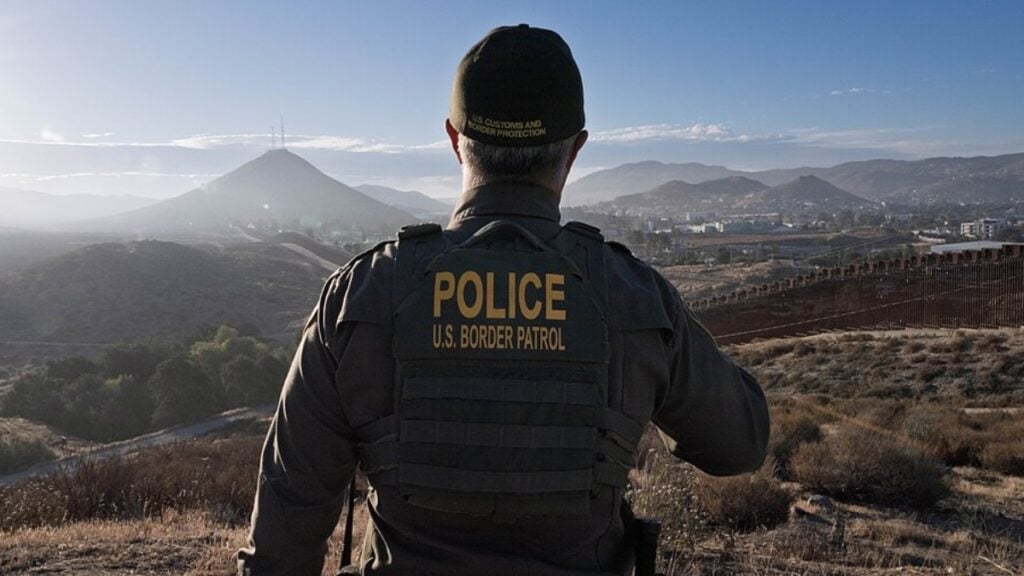
Whenever people think things in the country can’t get any worse, it seems the landscape somehow gets even bleaker. Yesterday, a federal appeals court ruled that border agents can search travelers’ phones without a warrant or individualized suspicion. Naturally, the decision shocked many Americans, particularly those who already believe the Trump administration has gone too far when it comes to respecting the privacy of people living in or traveling to the US.
The now-viral ruling was covered on several sites, such as Law and Crime, and it mentions that Border Patrol Agents will have the freedom to search a traveler’s phone without suspicion or a warrant.
While that sounds extremely scary, there are a few limitations to how Border Patrol Agents will search a phone. By the looks of it, it will be considered like luggage, meaning they can only browse the phone, but not conduct a thorough search with forensic tools.
The reasoning behind this is that the government wants to allegedly control who and what enters the country before anything happens. While the court explained that this is all a matter of ensuring the safety of other Americans, especially near the border, not all people are on board with the idea. The truth is that many are against it, as they believe Trump and his administration are taking things too far.
Some Americans Feel Trump is Taking Away Their Freedom
After seeing this new ruling, several people started commenting on the above post, and it seems the majority are pretty scared about this. Some even believe this is yet another way to target the freedom of all Americans besides Flock cameras and the recent “predictive policing.”
“With every step the Trump regime is taking, it is taking away our rights. Drop by drop, we are losing our freedom.“
“One more nail in the coffin of Democracy, and one more of YOUR rights being taken away.“
Some even think that Trump supporters will celebrate this.
“And 77 million people in this country will see this and cheer it on. Dark times we’re living in…“
On the other hand, a few people played devil’s advocate, arguing that the ruling isn’t quite as alarming as it first appears, particularly because it applies to searches conducted under the border-search exception. Still, that did little to ease the concerns of those who see warrantless phone searches as a serious invasion of privacy. Ultimately, the ruling has reignited a familiar debate over where border security ends and personal privacy begins.