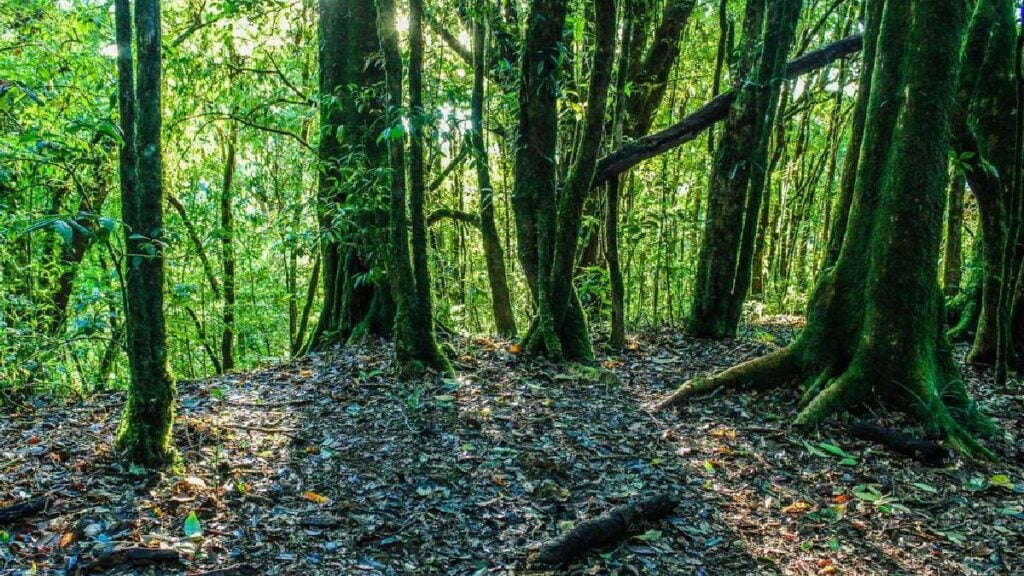
A decision to purchase 63 acres of woodland in Wilmington, Massachusetts, is drawing attention online after local officials voted to preserve the land from future development. While many residents welcomed the move as a win for conservation, others argued it highlights the difficult balance between protecting open space and addressing the state’s housing needs.
According to the Boston Business Journal, Wilmington officials approved an $11 million purchase of approximately 63 acres of wooded land. Supporters of the move say it will help preserve open space, while critics argue the decision removes a potential site for future housing development at a time when Massachusetts continues to face housing challenges.
The vote touches on a broader conversation taking place across Massachusetts, where communities are grappling with how to balance the need for new housing with efforts to protect remaining open space. As a result, reactions to the purchase have varied, with commenters weighing the benefits of conservation against concerns about housing supply.
By purchasing the property, Wilmington gained control over the future of the land, reducing the likelihood that it will be developed in the near term. The decision drew praise from residents who wanted to see the woodland preserved, while others argued the debate reflects broader questions about growth, conservation, and housing across the state.
Massachusetts Residents Praise the Recent 63-Acre Purchase
The decision sparked a lively discussion online, where many commenters praised the purchase as a way to preserve open space while others debated what it could mean for future housing development.
“Yay!! I know humans need places to live, but so do the rest of the species that live on this dang planet.“
“Good. We should be building UP, not OUT.“
Some commenters also discussed what the purchase could mean for future development in the area. One of the most upvoted responses came from a user who said:
“I’m as pro-development, density, and housing as anyone, and this seems great. Massachusetts doesn’t need new greenfield sites; we need to make it easier to improve the already developed land.“
While the future of the 63-acre property remains unclear, the discussion surrounding it reflects a challenge facing communities across Massachusetts. As residents weigh the value of preserving green space against the need for new housing, many agree that decisions about growth can have a lasting impact on the character of a town.