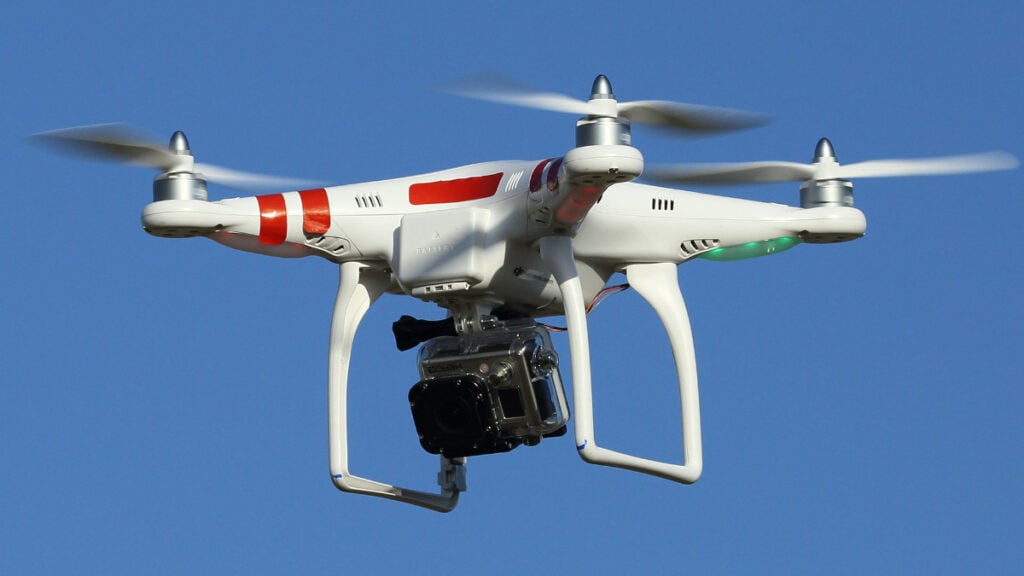
One Florida driver is speaking out after a heavy camera drone crashed into their moving vehicle, causing significant damage to the windshield. The driver says they were left in utter shock when the parents of the teenage drone operator refused to accept liability for the damage.
While it was clear who owned the drone, efforts to recover the cost of repairs have faced opposition. The teen’s parents have refused to accept the financial burden of the destruction.
According to the driver, the crash occurred while they were traveling on a public roadway when a massive camera-equipped drone sailed straight into the vehicle. The impact caused serious damage to the front windshield but, thankfully, did not result in a major traffic accident.
Seeking answers, the vehicle owner turned to Reddit to ask whether those operating the drone should be held responsible. The responses were overwhelmingly in favor of holding drone operators liable, with many users arguing that they should be held to the same standards of accountability expected of drivers and others operating potentially hazardous equipment.
Online Users Call Liability Argument ‘Absurd’
One commenter dismissed any suggestion that the motorist could be responsible, writing, “The notion that someone driving a car on a public road could be culpable for a collision with a flying drone is absurd, regardless of anyone’s speed.“
“The law doesn’t care about their refusal,” another responded. “Sue them.”
Others pointed to insurance and legal responsibility, arguing that property damage caused by a drone does not become the victim’s burden simply because the operator declines to pay. Several commenters believe the matter could ultimately be resolved through insurance claims or small-claims court.
The discussion also highlighted broader safety concerns. Had the drone struck the vehicle differently, completely obstructed the driver’s vision, or caused a loss of control, the consequences could have been far more severe.
Some observers called for stricter enforcement of drone regulations and greater public awareness, with one commenter stating, “Drones are required to avoid property. There is no world where they are not liable.”
As the debate continues, the driver hopes the incident will encourage greater awareness of the responsibilities that come with operating drones.
Whether the dispute is resolved through insurance, legal action, or a private agreement, many online observers believe the incident raises important questions about accountability when recreational aircraft cause damage on the ground.