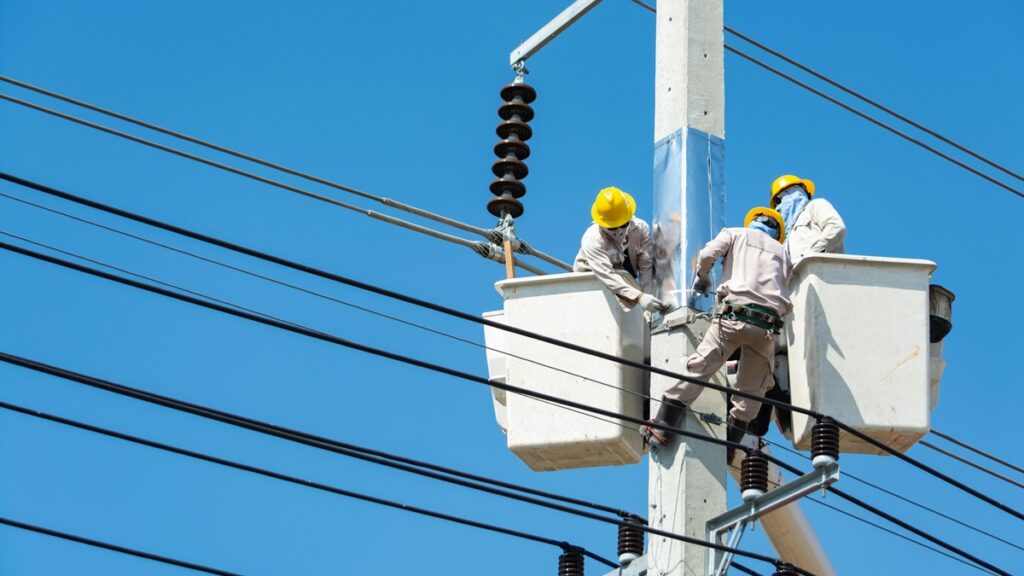
Michigan lawmakers have recently proposed a bill that could limit private utility companies to filing for price hikes only once every three years. The measure was met with cautious approval by Michigan residents, though many remained skeptical that it would be effective and said they would prefer the state to have publicly owned utility companies instead.
Reportedly sponsored by a group of eight Democratic senators, Senate Bill 768 is expected to be a game-changer for residents. Currently, state law requires a 12-month gap between requests to raise prices, which affects Michigan’s two dominant utility companies, DTE Energy and Consumers Energy. If the bill is passed, however, that interval would increase to three years.
According to senators interviewed by local media outlets, the change would make it more sustainable for families to remain in the state, as it would provide greater certainty about household energy costs.
Michigan Residents Want Public-Owned Utilities
While many Michigan residents praised the law, a considerable number on social media were skeptical that it would work: “They’re going to go from raising it annually to raising it three times as much every three years,” one user lamented.
The discussion prompted one person to shift the conversation entirely, arguing that the lawmakers’ plans were not ambitious enough: “I have a wild idea, utilities should be public.” Someone else chimed in, saying, “That’s been my take. They’re vital to everyday life, so letting private corporations with freakin shareholders control them is absurd.”
Another argument in favor of changing how utilities operate in Michigan was that some users claimed: “The average public electric utility rate is lower than the average investor-owned utility rate.” Others agreed, arguing that there was no reason for utilities to be privately owned: “You can have your kids removed from your home if you don’t have electricity. Sounds to me like it’s a public necessity and should not be for profit.”

It remains to be seen how Michigan politicians intend to address inflation and rising utility costs, such as electricity. What almost everyone can agree on, however, is that prices are increasing too quickly.