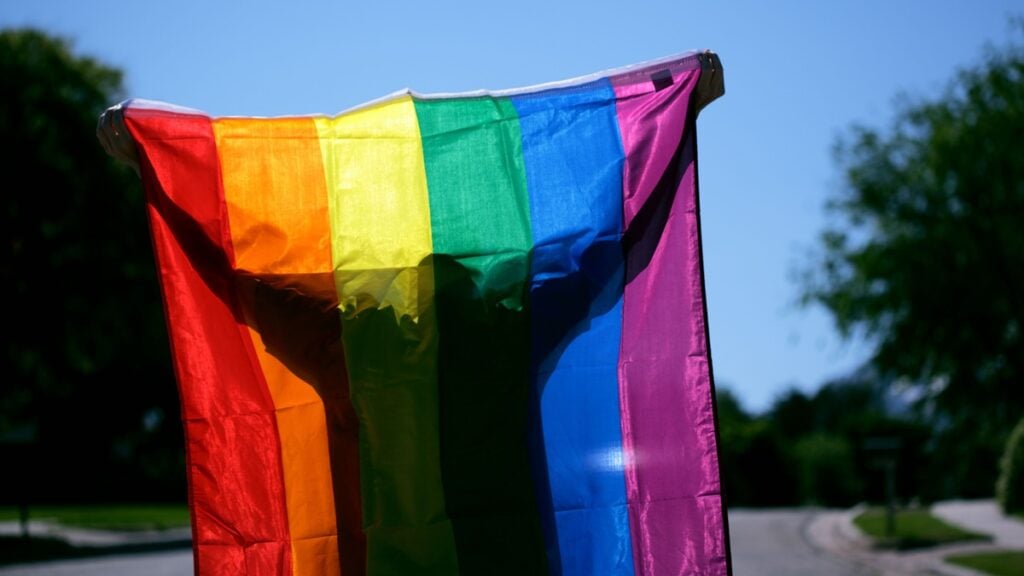
A new Human Rights Campaign analysis estimates that 2,243,590 Texas adults identify as LGBTQ+, a surprisingly high number that represents 12.54% of Texas adults. These numbers sparked a number of reactions on Texans, who had diverse opinions on the subject.
According to Chron, these numbers put Texas second nationally in the total number of LGBTQ+ adults, behind only California. That’s to be expected, however, considering how many residents the state has. Interestingly, Texas also appears in the Top 15 when percentages are counted.
The current number is far higher than previous estimates, some of which put the expected number at around 5%. The average in the country is around 12%, meaning that Texas is just a bit above the national average.
Among the people who participated in the study, 2% were homosexual, 7% were bisexual, and around 2% were transgender.
Texas Reacts to Reports of LGBTQ+ Population in the State
Users on r/Texas reacted to the news in different ways, with some acknowledging the widespread presence of LGBTQ+ people in the state. One person said: “I live here. I’m 59 and yeah… There is a much larger gay population than you would think. Good people who help and build like any other.” Some even cracked jokes using the data: “Texas: where the hips don’t lie (unlike the politicians).”
A fair number of locals were not entirely surprised to see the high numbers, however. One person put it: “Just the pride festivals alone all over the state should have told you.” Another individual answered: “I miss going to Dallas Pride! Live in Austin now. Haven’t been to a parade since I came out of the closet. I had to come out- it was getting crowded in there. Too many republicans.”
Another prominent topic in the discussion concerned what people described as right-wing closeted homosexuals, which users suspected were prevalent. One user wrote: “So many conservative men, of course it is. Those are the cruelest and most closeted ones. I have lots of gay friends and have heard the stories or seen married men with kids and long relationships leaving their house on multiple occasions.”
The findings suggest Texas’s LGBTQ+ community may be larger than previously understood, highlighting how improved data collection can paint a different picture of the state’s population. As more research emerges, future studies may provide an even clearer understanding of the community’s size and distribution.