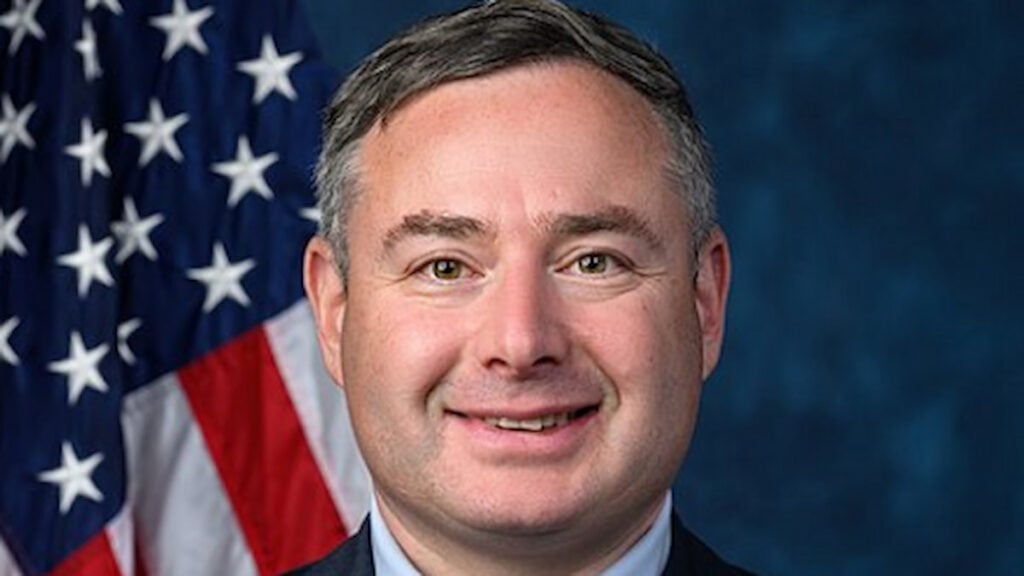
Families in Virginia have spent an estimated $1.8 billion more on gasoline since the U.S. entered the conflict with Iran, according to a new report that quickly became the focus of criticism from Rep. Eugene Vindman.
Sharing the findings on X, from a report by Prince William Times, the Virginia Democrat argued that the financial burden has fallen squarely on everyday households. “Since Republicans’ war of choice began, Virginians have paid $1.8 billion more for gas, an average of more than $573 per household,” Vindman wrote. “Working families are already stretched thin. They shouldn’t have to pay the price for a war that never should have happened.“
Vindman linked to a report citing analysis from the Center for American Progress, which estimates that higher fuel prices tied to the conflict have cost Virginia drivers an average of more than $570 per household since fighting began. The report argues that rising oil prices triggered by instability in the Middle East have translated into significantly higher costs at the pump for consumers across the Commonwealth.
Several Virginia citizens started voicing their concern and anger towards the President, and put the blame on the war in Iran. One user noted, “Hmm, well I’d be a lot less pissed off about it if a bunch of overpaid parasites could do their duty and impeach, convict, remove the one responsible.” Another then stated, “The MAGA store clerk in my hometown was (5 minutes ago) confused why the price of gas went up again.” Lastly, a Republican citizen shot back, “And yet still cheaper than when Biden was President.“
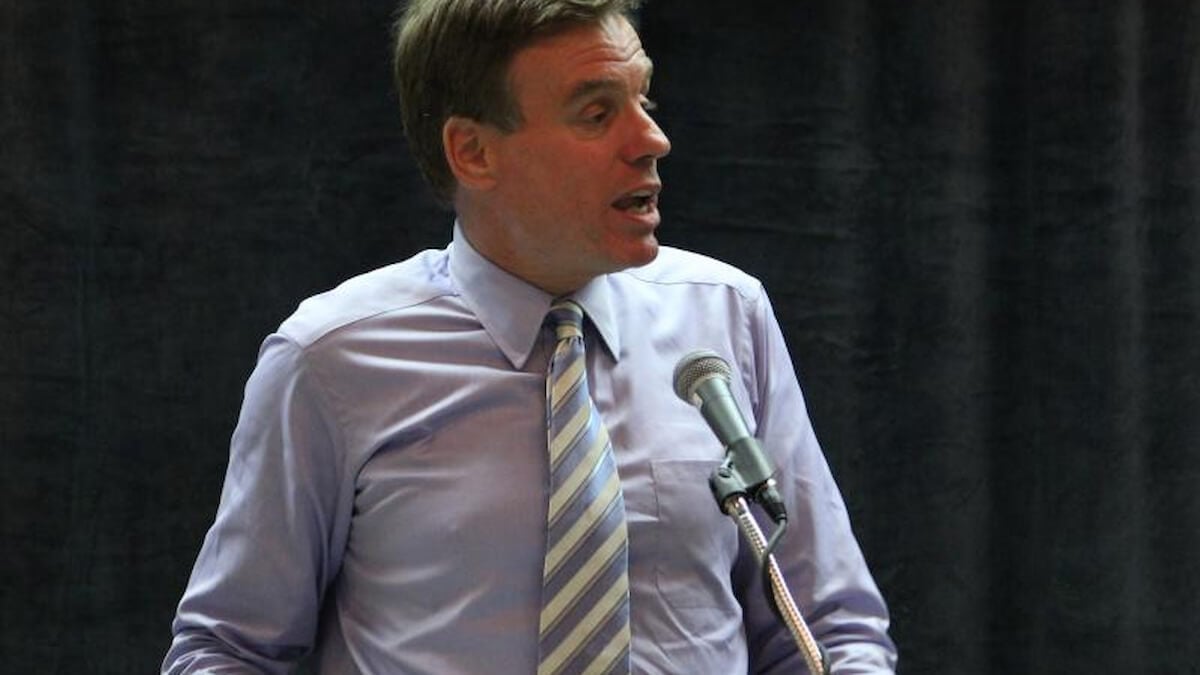
Vindman’s post and the report caused a lot of anger to spill over, with supporters arguing that working families are paying the economic price for foreign policy decisions, while critics disputed his characterization of the conflict and who bears responsibility for rising fuel costs. The exchange reflects the broader political battle over inflation, energy prices, and the economic consequences of U.S. military involvement overseas as lawmakers continue to debate the administration’s approach.